Recover fertilizer from ammonia. No biological process.
OTAR® (Organics Thermal Ammonia Recovery) removes ammonia from wastewater, digestate and landfill leachate.
- 95 to 98.5%
- Ammonia removal
- 500 to 10,000 mg/L
- NH₄-N feedstock range
- Up to 25%
- Ammonium hydroxide, or ammonium sulphate, recovered
- 90 to 95 °C
- Low-pressure steam or hot water heat source
- 1 to 2 hours
- Start-up time, far faster than biological processes
Find out if OTAR suits your site.
Tell us as much as you can about your project and we'll be in touch to see if recovering ammonia is the right fit.
Put N/A on anything you are not sure about.
Proven technology, already working at multiple sites.
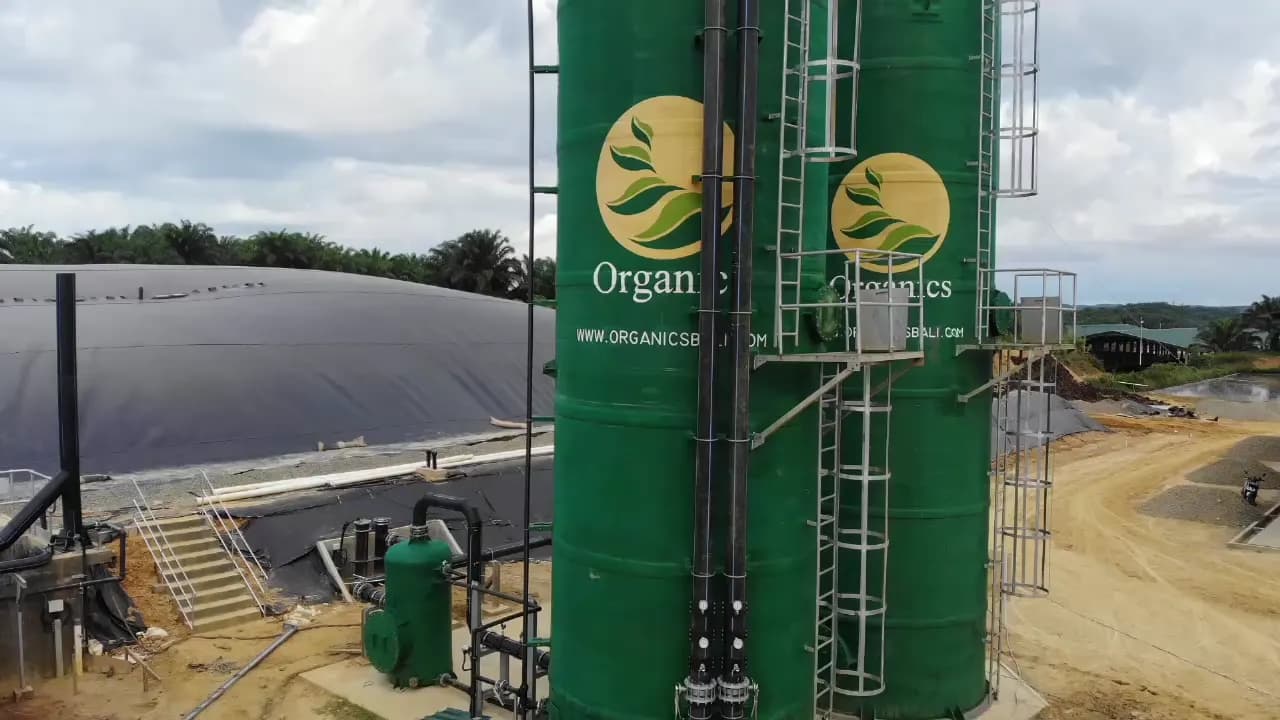
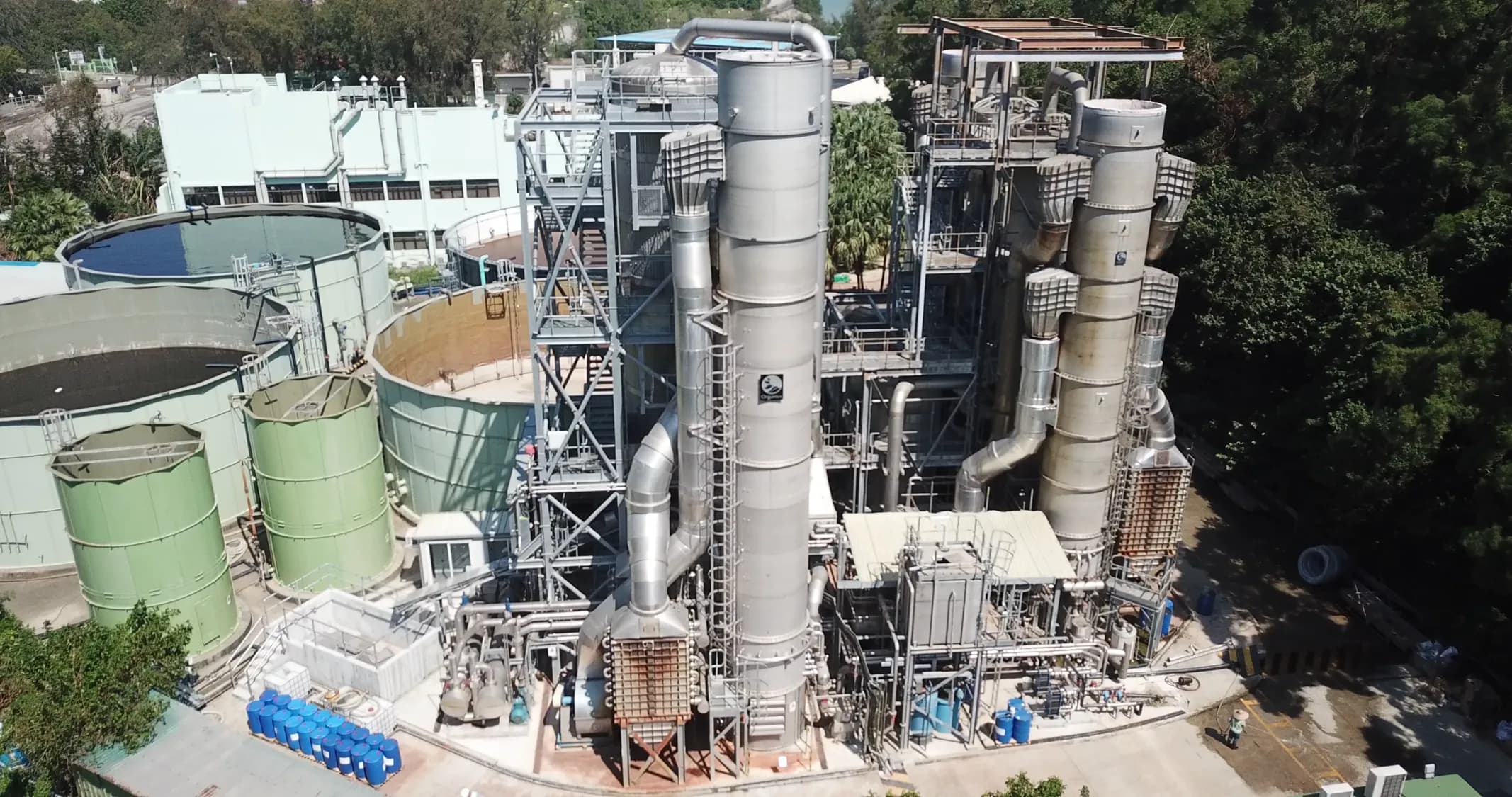
Thermal ammonia stripping has run for 20 years at Hong Kong's West New Territories (WENT) landfill, treating 140 m³/h and removing 14.5 tonnes of ammonia a day. Its success has led to similar installations at all of Hong Kong's major landfills.
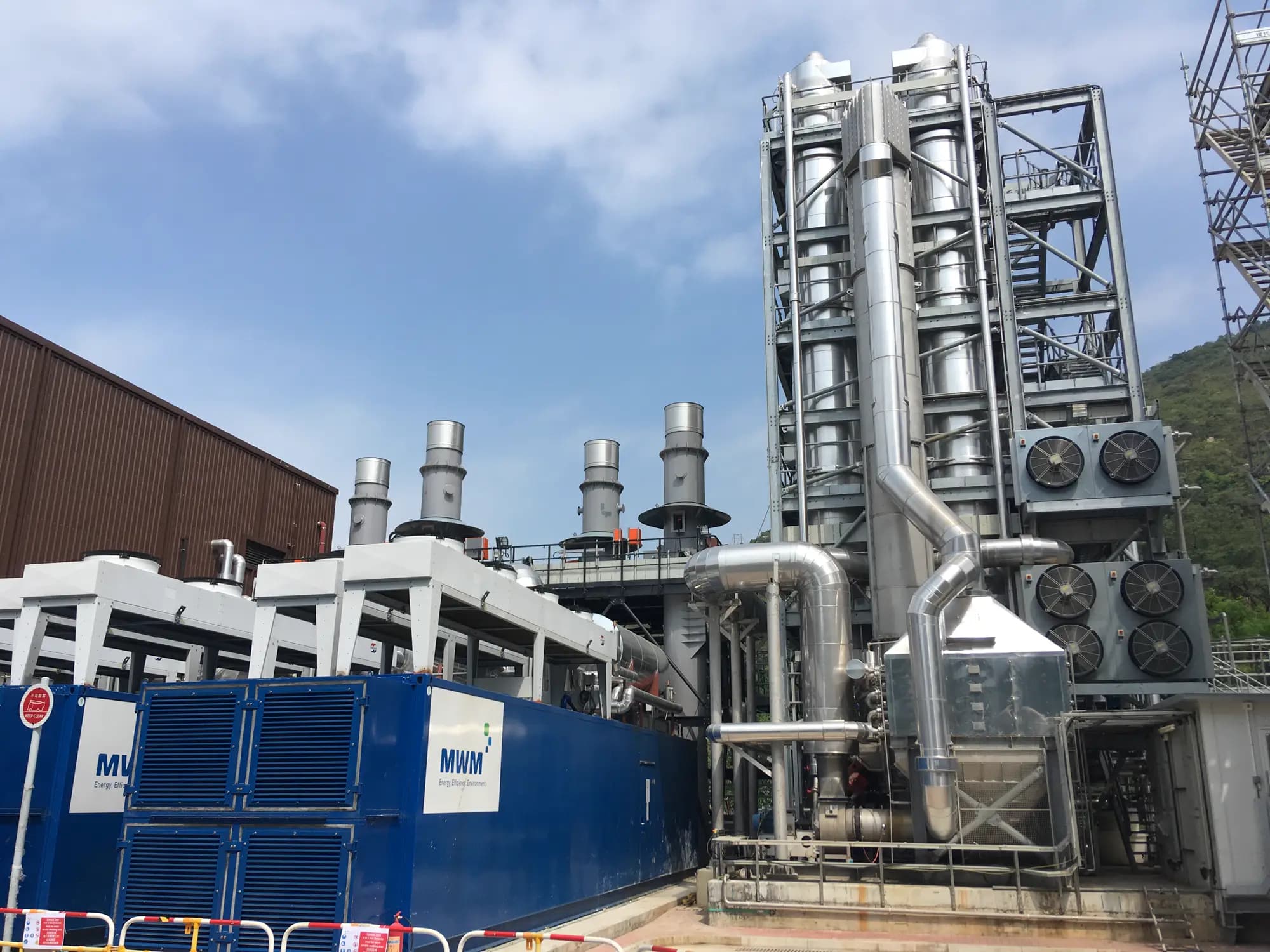
Thermal ammonia stripping as a means of ammoniacal nitrogen control
Ammonia is joining the growing list of substances which need to be prevented from polluting the environment and, where practical, be recovered and recycled. Combining thermal ammonia stripping with waste heat assists with ensuring a long-term sustainable solution to the challenge of ammonia pollution.
- 1
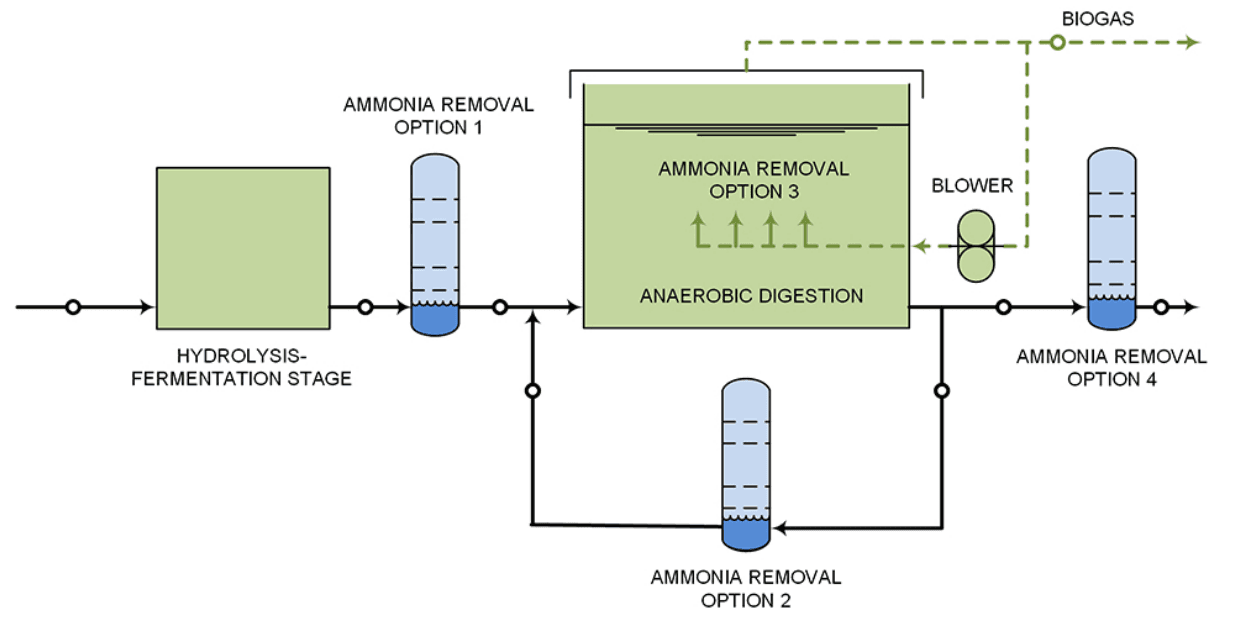
Choose where to remove the ammonia
Protein-rich substrates are good for methane production, but high loadings often cause process instability from ammonia released during acidogenesis. Within a typical AD facility there are four locations where ammonia may be reduced or removed: prior to digestion at the hydrolysis-fermentation stage, during digestion in a recycle flow, within the main digester vessel, and post digestion, prior to discharge.
- 2
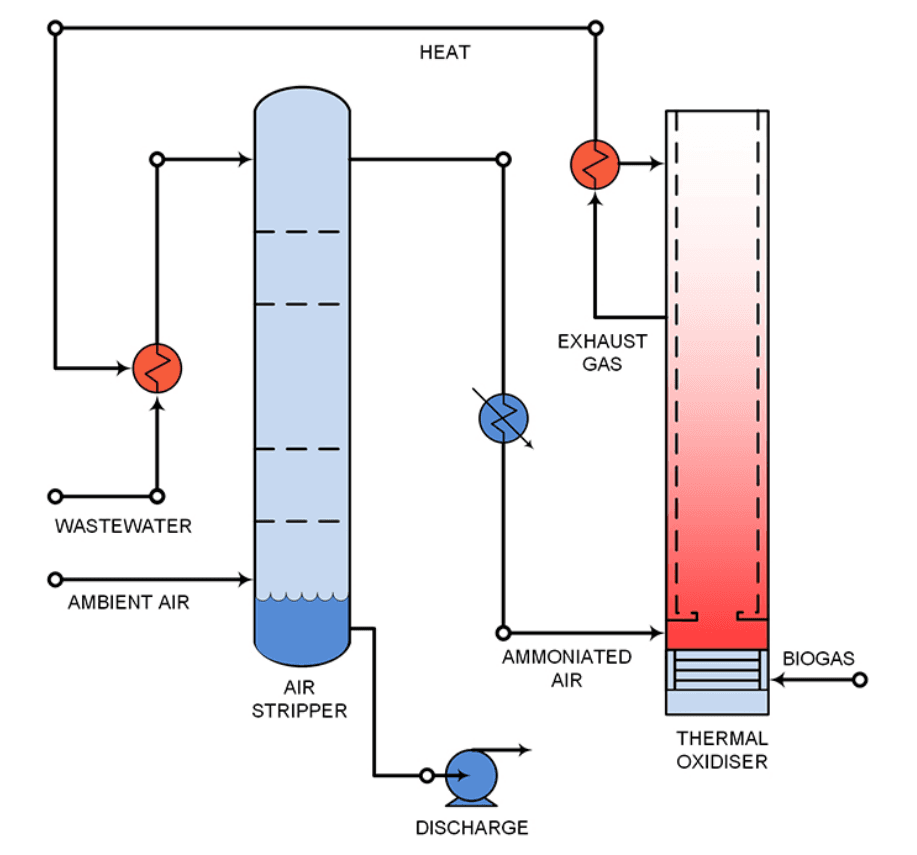
Feed wastewater and ambient air to the air stripper
Wastewater and ambient air enter the air stripper, where the ammonia is transferred from the water into the air. The process is particularly suited to high-strength ammoniated wastewater.
- 3
Send the ammoniated air to the thermal oxidiser
The ammoniated air passes to the thermal oxidiser, which is fired with biogas.
- 4
Recover heat from the exhaust gas
Heat from the exhaust gas is recovered and used to warm the incoming wastewater, so waste heat does the work. No major costs are incurred for chemical additions.
- 5
Discharge the treated water
Treated water leaves the air stripper for discharge. There is no sludge formation, no risk of biology failure, and the system is relatively easy to operate compared to biological processes.
- 6
Proven at scale in Hong Kong
The WENT landfill system was designed to treat 6,700 mg/l down to less than 100 mg/l. After 20 years of operation it treats 140 m³/h (3,350 m³/day) and removes 14.5 tonnes of ammonia per day, and has led to similar installations at all of Hong Kong's major landfills.
Why the economics make sense for every application.
OTAR® removes nitrogen at about $0.61/kg-N, against about $3.97/kg-N for biological nitrogen removal, and the recovered ammonia can be sold as fertilizer instead of being destroyed. Savings of up to 60 to 80% versus biological methods.
| Application | Problem addressed | OTAR role |
|---|---|---|
| Municipal wastewater utilities | Problem addressedHigh-strength sidestreams (dewatering centrate, THP and AD centrates) | OTAR roleTreats at the source to cut nitrogen load, energy and chemical demand |
| Commercial AD, biogas, organic waste | Problem addressedTAN in digestate inhibits methane production and destabilises digesters | OTAR roleRemoves TAN, protects biogas output, recovers ammonia products |
| Agriculture and livestock (dairy/swine CAFOs) | Problem addressedManure and digestate nitrogen; nutrient-management rules | OTAR roleCuts nitrogen and produces marketable ammonium sulphate or hydroxide |
| Poultry manure and litter | Problem addressedVery high nitrogen, ammonia inhibition of digesters | OTAR roleStrips nitrogen on-site; captures commercial-grade ammonium sulphate |
| Industrial wastewater | Problem addressedHigh-nitrogen streams, surcharge exposure (meat processing, dairy, rendering, fermentation, chemical, manufacturing, food waste) | OTAR roleStable ammonia removal, lower discharge cost |
| Landfills and leachate | Problem addressedHighly ammoniated leachate; strict consent limits | OTAR roleTreats leachate without biological failure |
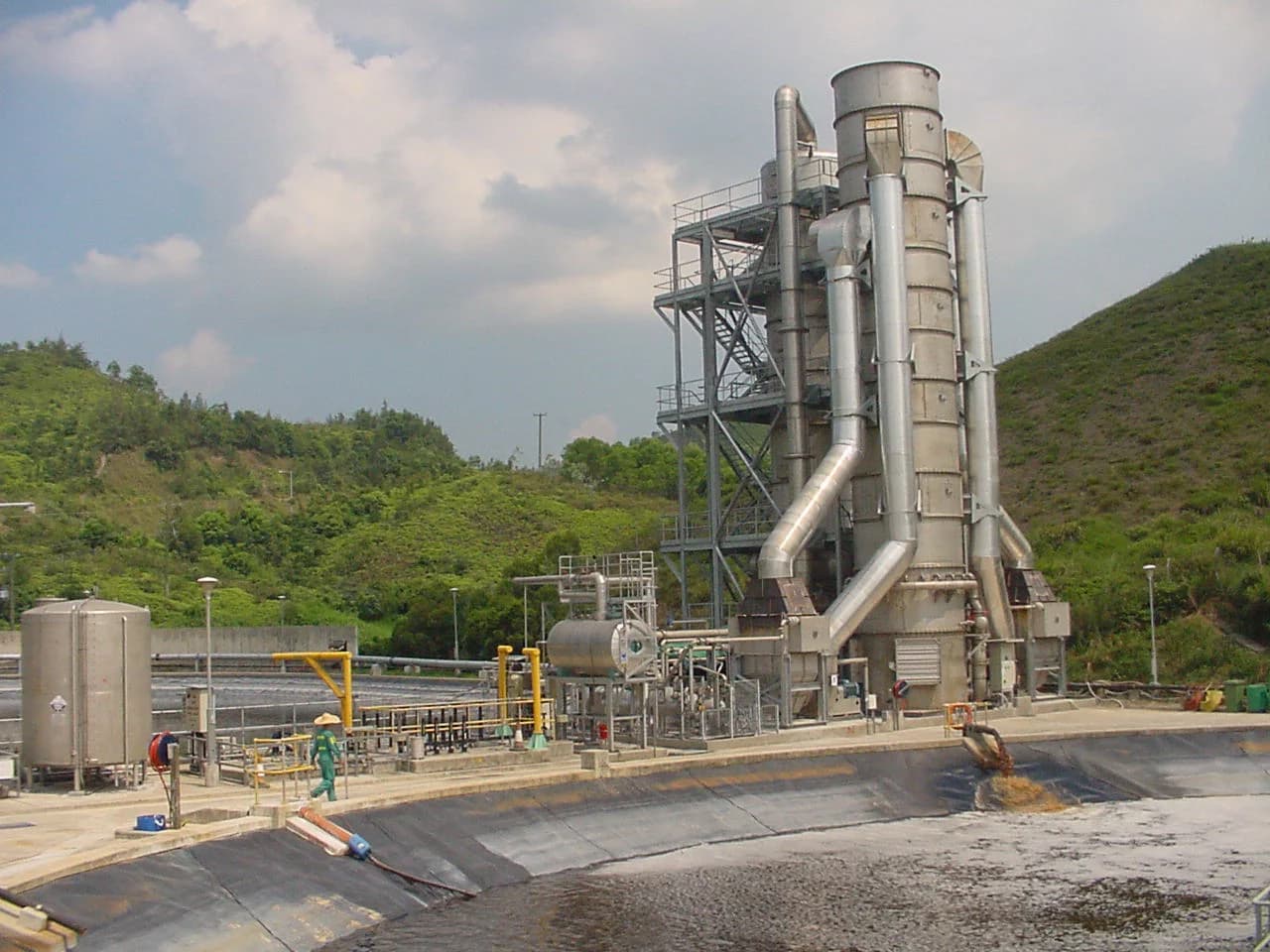
The same proven stripping process, driven by waste heat.
| Metric | OTAR® | Biological systems |
|---|---|---|
| Shock loads | OTAR®Described as "100% immune" to toxin and heavy-metal spikes | Biological systemsVulnerable; microbial die-off and downtime |
| Availability | OTAR®Up to 95% uptime | Biological systemsFrequent stops for biomass and pH management |
| Byproduct | OTAR®18 to 20% aqueous NH₃ or pure ammonium sulphate | Biological systemsLow-grade dilute salt sludge |
| PFAS | OTAR®Gas stripping separates N₂ from liquid PFAS | Biological systemsPFAS accumulate in sludge |
| Carbon intensity | OTAR®Runs on engine jacket water or waste heat | Biological systemsHeavy aeration blower load |
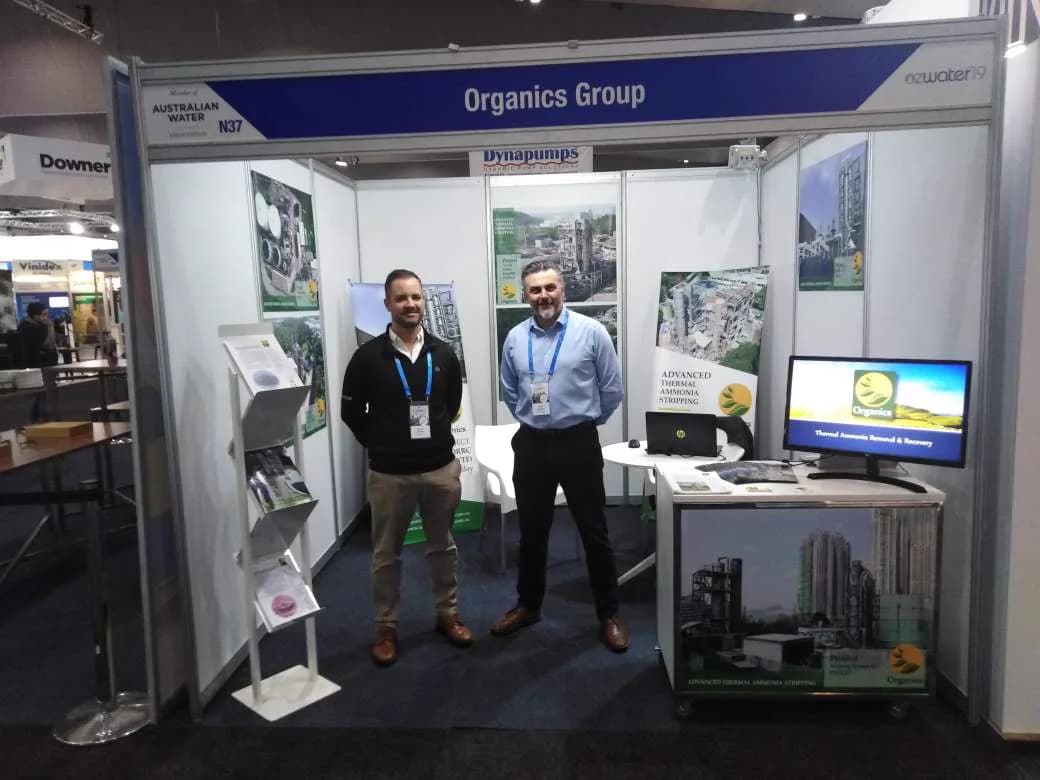
About Organics
Engineering that has cleaned up waste around the world since 1993.
Organics designs and delivers environmental control equipment for landfill sites and other places where pollution control is a requirement. Equipment supply overseas began in 1993 with flare systems to Mexico, and the company now works across Europe, North America, Asia and Australasia.
- Worldwide
- Agents and direct representation, with local support
- Finance & Operate
- Long-term performance can be handed to Organics
Our offices
Organics Group plc
Sovereign Court II, University of Warwick Science Park, Coventry CV4 7EZ, United Kingdom
Phone: +44 24 7669 2141
Email: contact@organicsgroup.com
Organics Asia Co., Ltd
Sun House, 51/282 Moo 7, Soi Muban Mueang Ek Project 1, Vibhavadi Rangsit Road, Lak Hok Sub-District, Mueang Pathumthani District, Pathum Thani 12000, Thailand
Phone: +66 2 564 0828
Email: sales@organics.co.th
Organics USA, Inc.
30 North Gould Street, Suite R, Sheridan, Wyoming 82801, United States
Email: contact@organicsusainc.com
Organics Hesperos S.L.
Calle San Pablo 3, 3ºD, 41001 Sevilla, Spain
Phone: +34 629 431059
PT Organics (Bali)
Rukan Exclusive Blok G No. 35, Bukit Golf Mediterania, Pantai Indah Kapuk, Jakarta Utara 14470, Indonesia
Phone: +62 21 559 659 58
Email: sales@organicsbali.com
Find out if OTAR suits your site.
Tell us as much as you can about your project and we'll be in touch to see if recovering ammonia is the right fit.